A Cry for Being Better to Contractors

December 3, 2025

Respect the People Who Build the Bones of Your Dreams

Contractors are the unsung backbone of every beautiful home. They take on risk, navigate complexity, and make sure your vision stands — literally. Yet so many homeowners treat them as disposable labor instead of skilled partners.


I’ve been on both sides: the stressed-out homeowner spending big and the frustrated project manager watching labor costs climb. But here’s the truth — good construction is expensive because good work matters.


A contractor’s day isn’t easy. They juggle inspections, suppliers, labor shortages, safety risks, and a dozen client demands — all while operating on razor-thin margins. When you’re searching for or managing a contractor, remember: this is a relationship, not a transaction.

Here’s how to be a better client (and get better results):


1. Start with respect.

Treat your contractor like a professional partner. Their time and expertise are valuable. Be clear, be honest, and don’t ghost them when you change your mind.


2. Communicate clearly and consistently.

If you’re unhappy or confused, don’t stew — talk. Ask questions before making assumptions. A five-minute conversation can prevent a five-figure mistake.


3. Offer basic hospitality.

Water, access to a bathroom, and kindness go a long way. Construction is physical labor; small gestures build goodwill and loyalty.


4. Pay fairly and promptly.

Labor and materials are expensive — not inflated. If you want changes, expect cost adjustments. Fair pay sustains good businesses and attracts top-tier crews.


5. Be realistic about timelines.

Weather, inspections, and backorders are real. Don’t punish honesty with anger; reward transparency with patience.


6. Do your homework before hiring.

Check licenses, insurance, and references. A little due diligence saves everyone headaches down the line.


I root for my contractor the way I root for my barber or my favorite local restaurant — because when they win, the city wins. Better-built homes mean safer neighborhoods, higher values, and more pride in the places we call home.

So next time you’re tempted to nickel-and-dime, micromanage, or vent — take a breath. Think about the human behind the hammer. Let’s rebuild the culture of construction with respect, gratitude, and collaboration.


Because at the end of the day, we’re not just building homes. We’re building legacy.
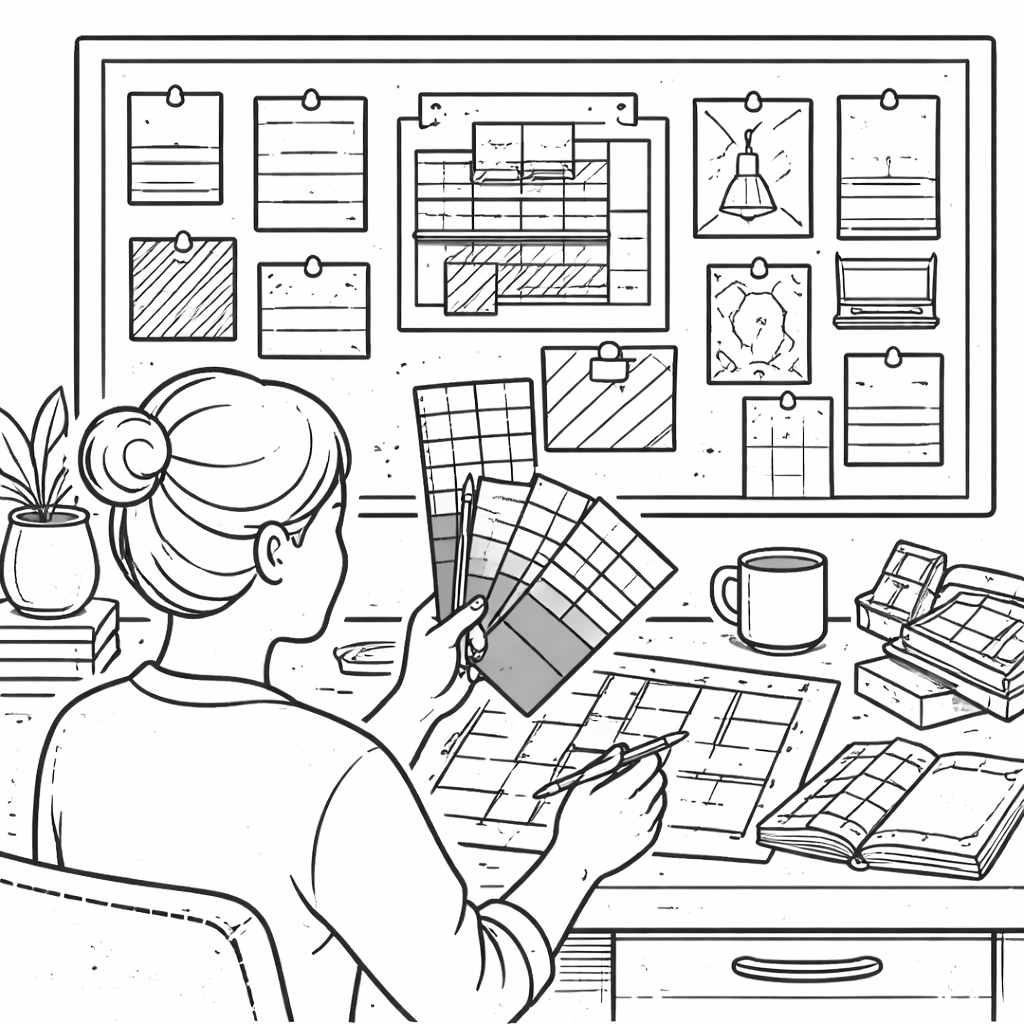

Black and white line art of a homeowner reviewing design choices while focusing on the structural el
December 10, 2025
Trendy finishes fade, but strong structure lasts. Learn what truly matters when buying or renovating a home built to stand for 50+ years.
November 24, 2025
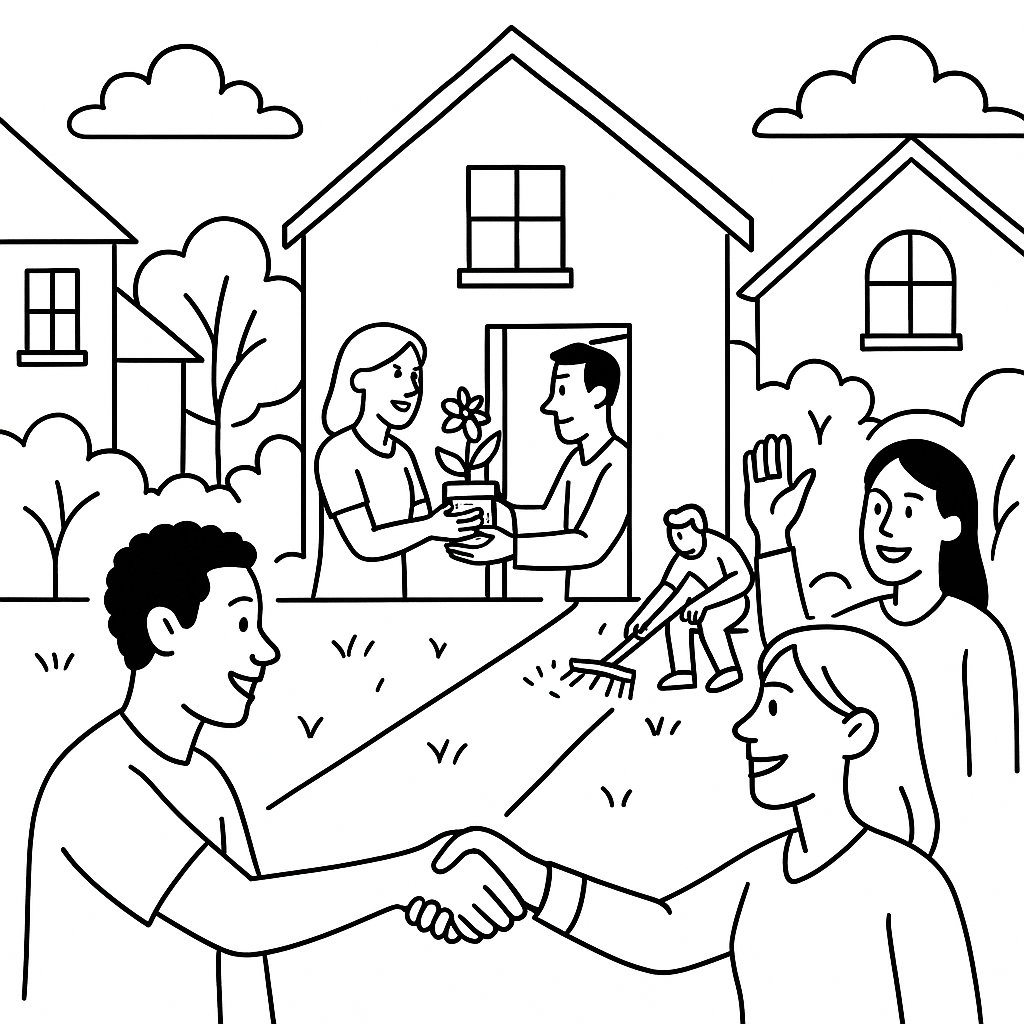
In Washington, D.C., neighbors hold veto power more than most developers realize. A hostile neighbor can halt your project, delay permits, rally opposition, or turn a simple renovation into a public battle. I've lived it: stop-work orders, ANC hearings packed with angry residents, months of delays. All because I showed up with blueprints before I showed up as a person. The truth? Most development opposition isn't about your project. It's about fear of the unknown and feeling unheard. The best developers I know don't just build buildings. They build relationships first. They understand that winning over a neighborhood isn't manipulation; it's showing respect, sharing your vision, and proving you're invested in the community's future, not just your profit margin. Here's how to become the developer your neighborhood actually wants to work with: 1. Introduce Yourself Before You Need Something Don't wait until you need a zoning variance to knock on doors. Show up early — before plans are finalized, before the bulldozers arrive, before anyone has a reason to worry.  How to do it right: Go door-to-door within a block. Introduce yourself by name, not by company Keep it casual: "Hi, I'm Sarah. I just purchased the property at 123 Main Street and wanted to introduce myself before we get started." Ask about them: How long have they lived here? What do they love about the neighborhood? Leave your card and say, "I'd love to grab coffee and hear your thoughts sometime." Why it works: People are far more receptive when you approach them as a neighbor, not a developer with an agenda. 2. Show Up With Food (Seriously) Breaking bread together is one of humanity's oldest trust-building rituals. Use it. Ideas: Bring donuts or bagels when you introduce yourself Host a casual "meet the project" coffee hour on a Saturday morning Drop off cookies during the holidays with a handwritten note Invite immediate neighbors to a casual dinner at a local restaurant (your treat) Why it works: Food disarms people. It signals generosity, not greed. It transforms you from "that developer" into "that nice guy who brought us pastries." 3. Have Short, Recurring Conversations Don't info-dump your entire vision in one 45-minute monologue. Build the relationship through frequent, brief check-ins. The rhythm: Week 1: Quick introduction (5 minutes) Week 2-3: Follow-up about their concerns or interests (10 minutes) Month 1: Share preliminary concepts, ask for input (15 minutes) Ongoing: Regular updates as the project progresses What to talk about: Their history in the neighborhood What they hope doesn't change What improvements they'd love to see How construction might impact their daily life (and how you'll mitigate it) Why it works: Frequent, low-pressure touchpoints keep you top-of-mind and demonstrate ongoing commitment. People feel heard, not steamrolled. 4. Share Your Vision — Show Them What Excites You People resist what they don't understand. Bring them into your vision before it's set in stone. How to share effectively: Use visuals: sketches, renderings, mood boards — not just technical drawings Talk about the why: "I fell in love with this block because of the oak trees and the corner store. I want to honor that." Be specific about community benefits: "We're adding 4 affordable units," "The ground floor will be a café for neighbors," "We're preserving the historic facade." Show, don't tell: Walk them through similar projects you've done. Introduce them to happy neighbors from past developments. The magic question: "If you were designing this, what would matter most to you?" Why it works: When people feel like collaborators instead of victims, they become champions. Their fingerprints on your project = their investment in its success. 5. Be Radically Transparent About Disruption Construction sucks. Don't sugarcoat it. But do take responsibility for making it suck less. Proactive communication: "We'll be doing demolition July 10-15. It'll be loud from 8am-4pm. Here's my cell if it's unbearable." "We're blocking the alley next Tuesday for a delivery. I'll leave notices and make sure trash pickup isn't affected." "Our crew will park on the next block to avoid taking your spots." Follow through: Actually answer your phone Deliver on promises (early work hours, clean job sites, etc.) Send weekly text updates to immediate neighbors Why it works: Predictability reduces anxiety. When people know what to expect and see you managing impacts, they give you grace. 6. Celebrate Shared Progress Don't disappear after breaking ground. Bring neighbors along for the journey. Ways to celebrate: Host a "topping out" party when framing is complete Invite neighbors to a hard-hat tour before drywall goes up Throw an open house before the first residents move in Share before-and-after photos with the people who watched it happen Why it works: When neighbors feel pride in "their" project, they defend it. They brag about it. They become your best advocates. The Good Developer Pledge Here's my commitment — and maybe you'll take it with me: I will show up as a neighbor, not just a developer. I will listen more than I pitch. I will be transparent about challenges and generous with updates. I will honor this community's past while building its future. I will remember that behind every door is a person who loves this place — just like I do. Because the best developments aren't just built with capital and permits. They're built with trust, respect, and the understanding that you're not developing in a neighborhood — you're developing with one. When you invest in people before you invest in properties, everyone wins. The neighborhood gets a developer who cares. You get a community that supports your vision. And together, you build something worth celebrating. Let's stop seeing neighbors as obstacles and start seeing them as partners. That's how great neighborhoods — and great developments — are made.
A line art drawing of multiple résumé templates spread across a desk.
November 13, 2025
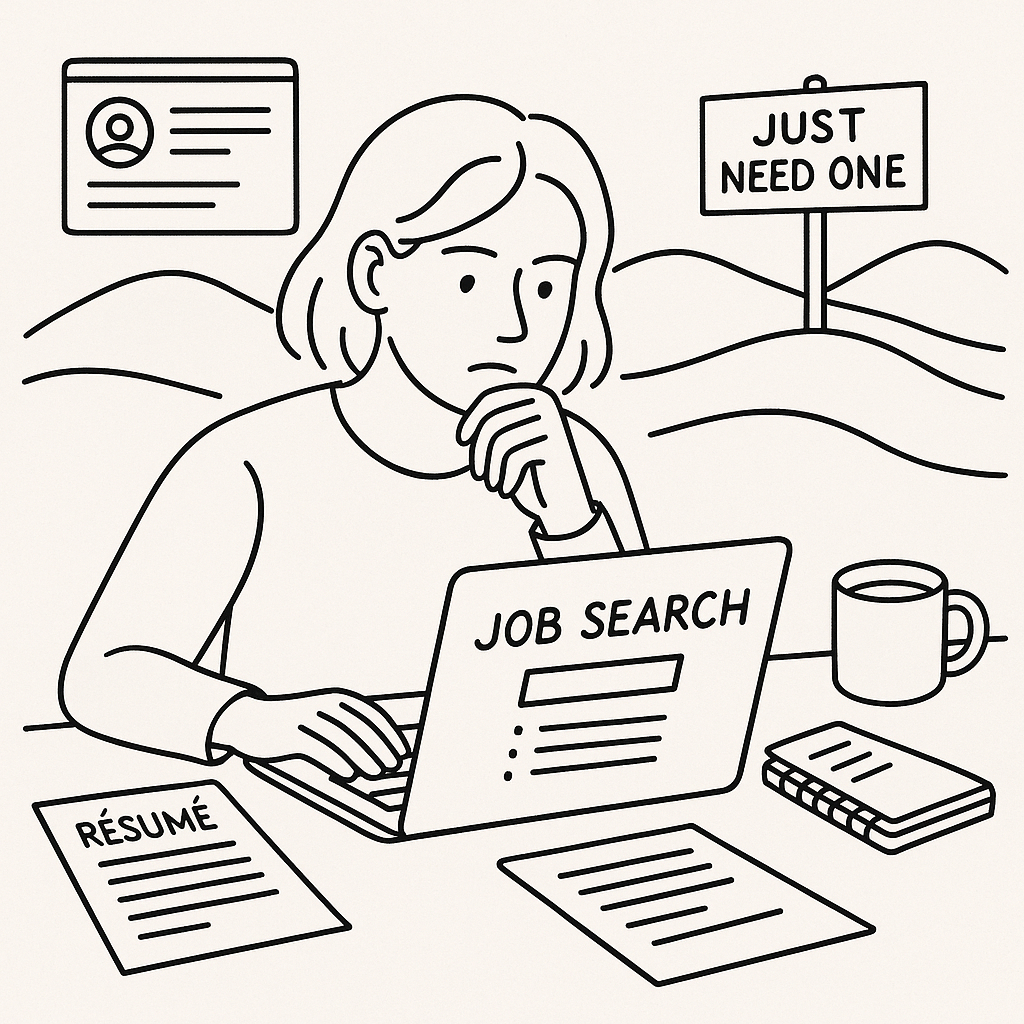
Discover how to job search with confidence in an uncertain market. This guide shares my real journey—systems, mindset shifts, LinkedIn hacks, and the “just need one” mantra—to help you create momentum and land the right opportunity.
More Posts